We empower event organizers around the globe, from destination festivals, major sporting and music events to club nights, local fairs, charity fundraisers, and private galleries.
Start an event, members’ hub or virtual event for your community and discover how Eventcube can transform your business.
Get Started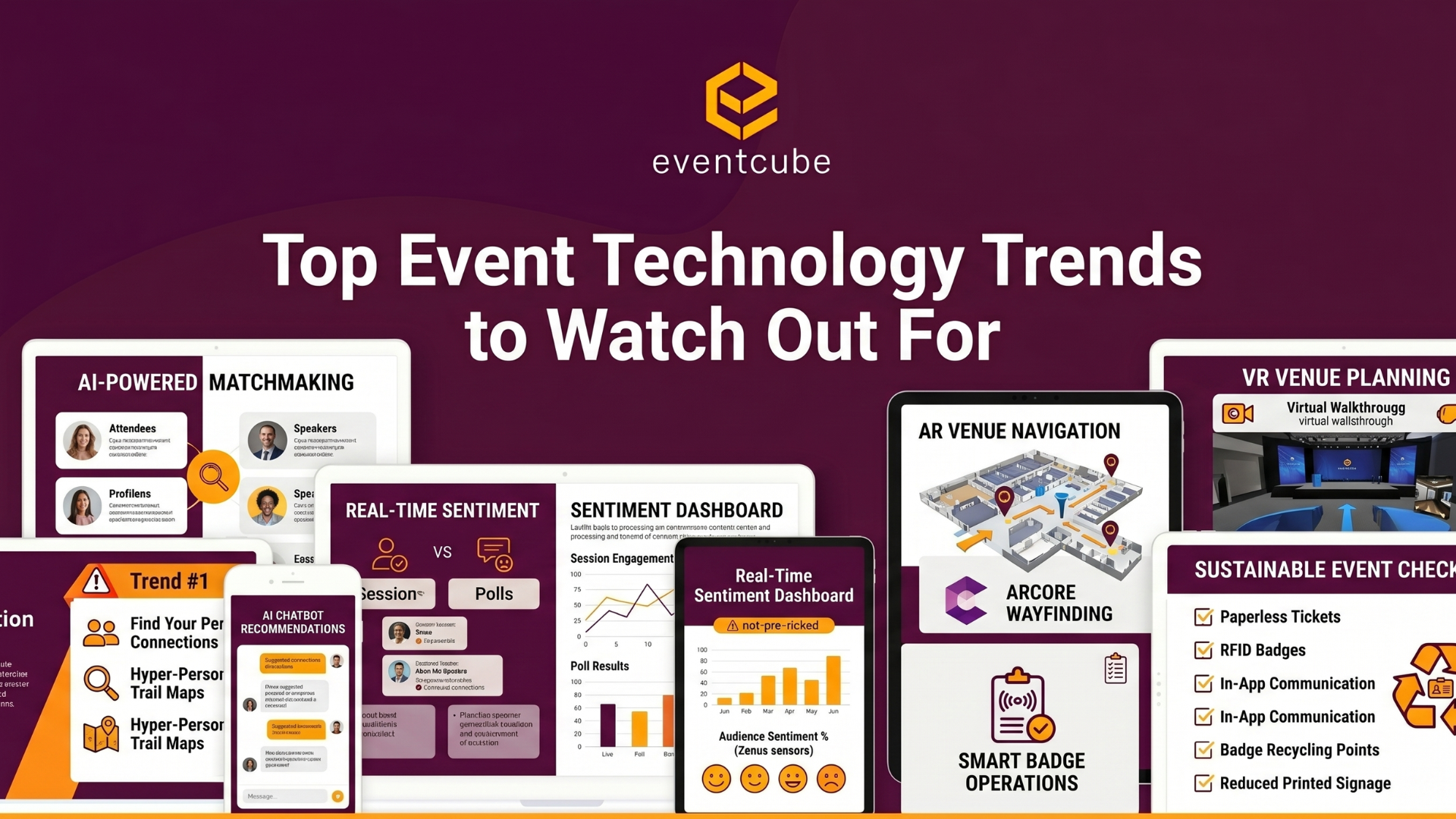
We put this together because the era of guessing what attendees want is over. Patience for irrelevant content is at an all-time low, and networking left to chance simply doesn't cut it anymore. To stay competitive and drive real ROI in 2026, planners need to stop relying on post-event surveys and start using technology to adapt experiences in real time.
In this article, we bypass the fluff to show you exactly how to future-proof your events. You will learn how to:
Backed by real-world examples from industry giants like Dreamforce and CES, this guide will show you how to trade uncertainty for data-driven, highly engaging events.
Attendees don’t come to events without a purpose anymore. There is usually a clear goal behind their attendance, whether that is learning something specific or connecting with the right people. That shift has begun to influence how events are planned.
A single agenda built for everyone rarely supports that. It assumes all attendees want the same sessions and the same experience. In practice, most people engage with only a small part of what is offered. Around 52% of consumers report higher satisfaction when experiences feel more personalized.
You can see this shift in how attendees engage during events:
When these expectations are not met, the gaps become visible.
Planning has started to move towards relevance. The focus now sits on how well the event fits each attendee, not how much content is included in the agenda.
AI personalization is officially replacing the static event agenda. In 2026 your attendees do not have the patience to hunt through a massive list of sessions to find value. They expect their experience to be tailored to their specific roles and interests the moment they log in.
By using attendee data the platform brings the most relevant content to the surface automatically. This shift ensures that attendees spend more time learning and less time scrolling.
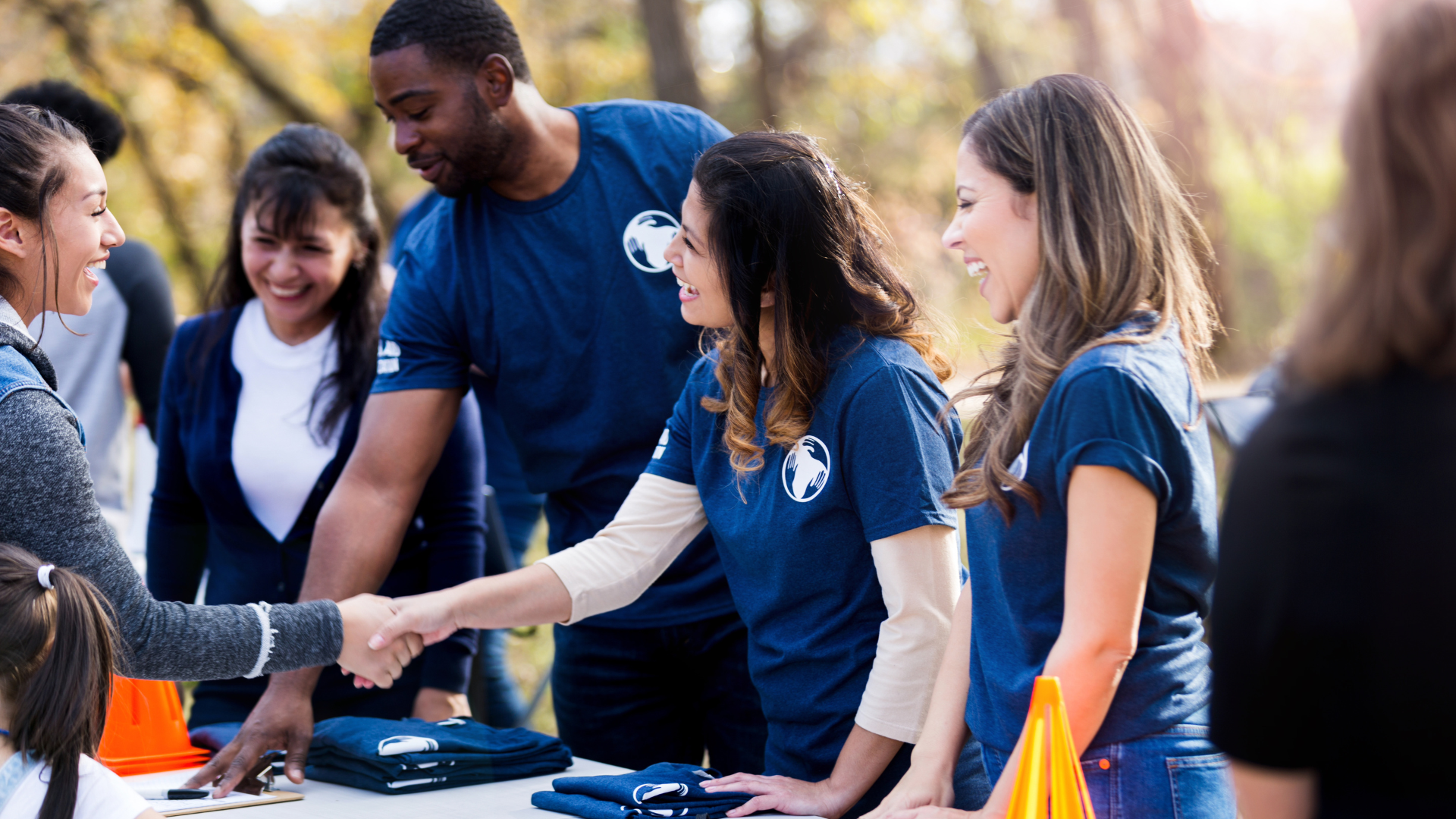
AI matchmaking also connects sponsors, attendees, or speakers with common interests for stronger conversations.
These recommendations live within your event platform or app, where attendee data and engagement signals remain connected. As people interact with sessions or content, those signals help refine what gets shown next.
A static agenda gives every attendee the same starting point, even though their goals are rarely the same. That mismatch shows up early in the event.
These gaps shift more of the burden onto attendees, while the experience offers limited direction.
Some of the biggest conferences in the world are already using AI-powered personalization, and Dreamforce is one of the clearest examples.
Dreamforce, Salesforce's flagship annual event, hosts tens of thousands of attendees across hundreds of sessions. To manage this scale, Salesforce uses AI and machine learning to power Personalized Trail Maps inside its event app. These maps generate session and activity recommendations based on each attendee’s role, interests, and inputs.
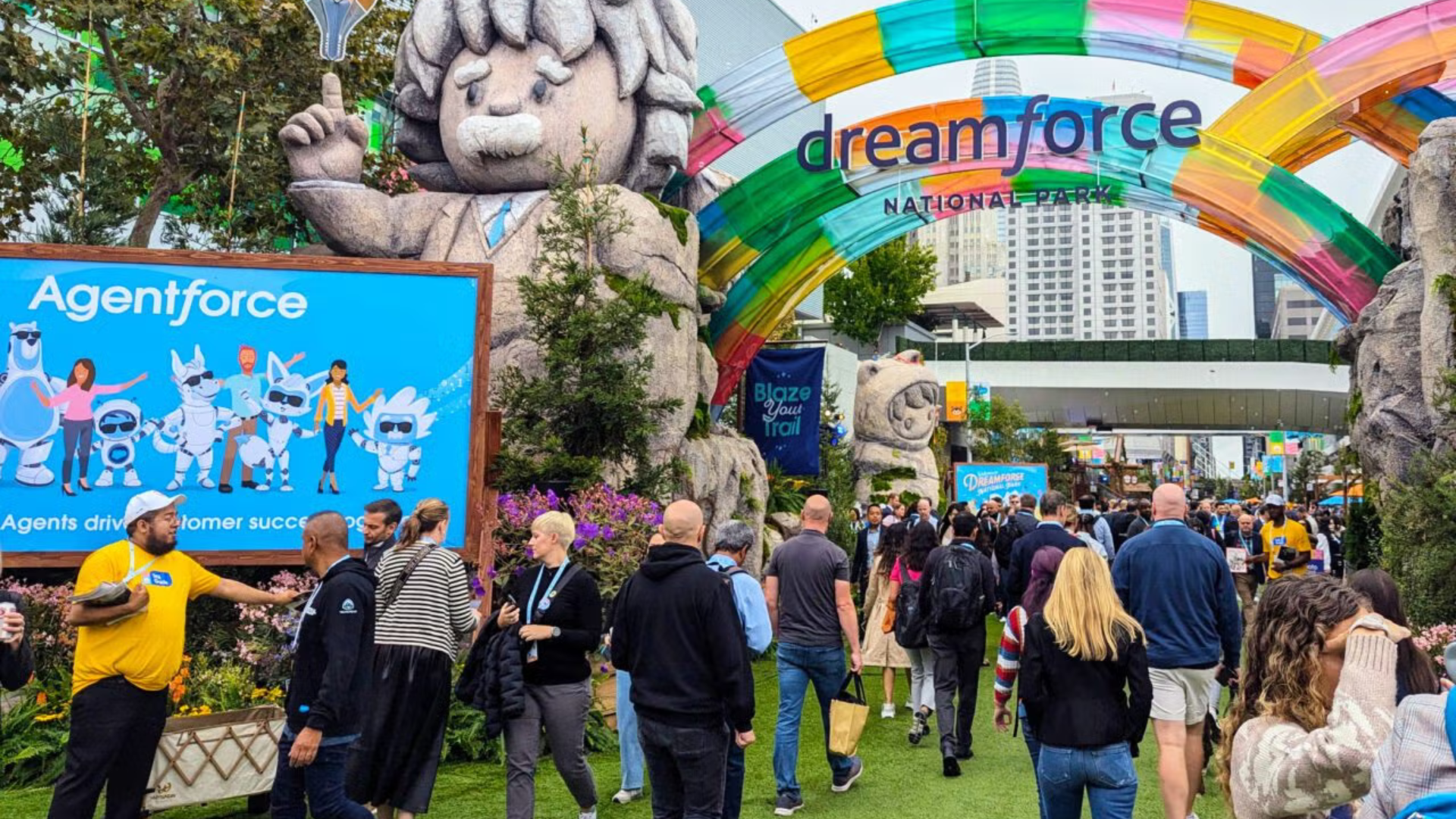
Instead of working through a long session list, attendees see a focused set of options that align with their goals. AI is also used across the event journey, including booth recommendations and guided exploration of the event floor.
This approach shows how AI personalization replaces static agendas. The experience adapts based on attendee data, improving session relevance and guiding decision-making throughout the event.
Real-time data gives you a clearer view of how your event is performing as it unfolds. Instead of waiting for feedback after the event, you start to see how attendees respond as sessions unfold.
That visibility comes from a few key signals.
When you view these signals together, you start to see patterns. You can identify which sessions hold attention and which ones lose momentum.
Delayed feedback limits how much you can learn from an event while it is still happening. Post-event surveys reflect what attendees remember and not how they responded in the moment.
This delay creates gaps in visibility. You may see which sessions underperformed, but not when or why attention dropped. You may learn that engagement was low, but not what caused it during the session.

These gaps lead to missed opportunities: low-energy sessions continue without adjustment, and format issues stay unresolved.
By the time you collect feedback, the event has already moved on. Insights help with future planning, but they do not improve the experience already in progress.
Live analytics is already shaping how events are managed on the ground. Events like PCMA Convening Leaders 2025 show how this works in practice.
At this event, more than 70 Zenus sensors were deployed across 50 activations to track attendee behavior and sentiment. These sensors measured metrics such as stop rate, dwell time, sentiment, and intent across different areas of the event.
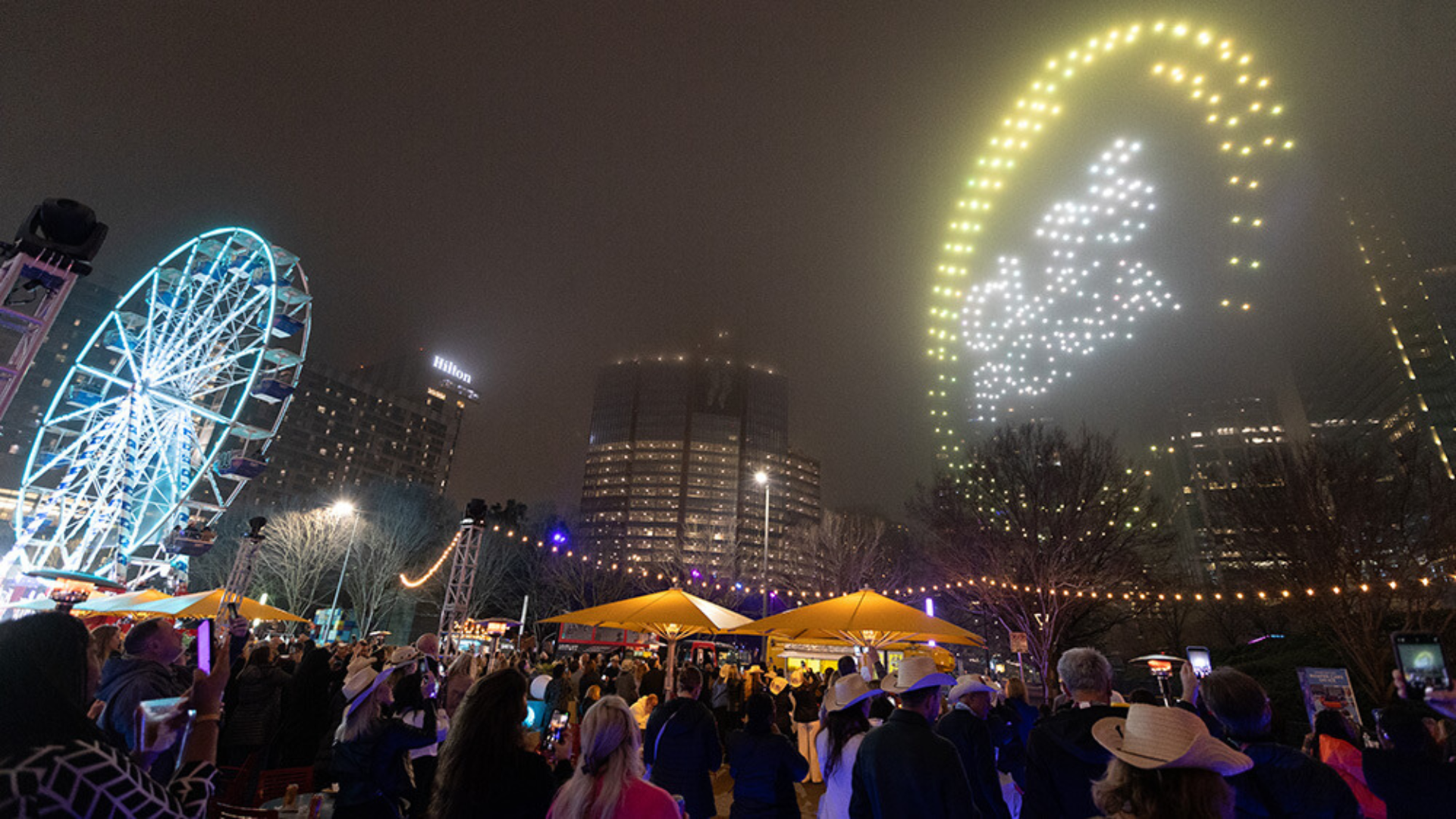
The data was available in real time. This allowed organizers to see how attendees responded to different spaces and sessions as the event progressed. Based on day one insights, sponsors adjusted staff positions, updated signage, and reconfigured their setups to improve engagement.
This approach marked a clear shift in how events are managed. Instead of reviewing performance after the event, changes were made while the event was still running.
AR and VR are increasingly playing a practical role in how events are planned and experienced.
Adoption of these tools continues to grow. The revenue in the AR & VR market worldwide is projected to reach $50.9 billion in 2026, which reflects wider use across event planning and venue management.
AR changes how people move through your event by making navigation easier to follow in real time. Instead of relying on static maps, attendees can use interactive views that reflect the venue's actual layout.
Directions can be adjusted based on where someone is standing, which makes it easier to move between sessions, booths, and key areas without stopping to search.
It also reduces the need for printed signage. Digital overlays can guide movement throughout the venue, while updates can be made without replacing physical materials.
Larger venues can be structured into clearer zones, with more defined paths between them. Areas that are harder to reach become easier to surface, and high-traffic sections can be managed with better flow.
VR gives you a clearer view of the venue before the event begins. Virtual walkthroughs let you explore the space, understand scale, and review how different areas connect without being on site.
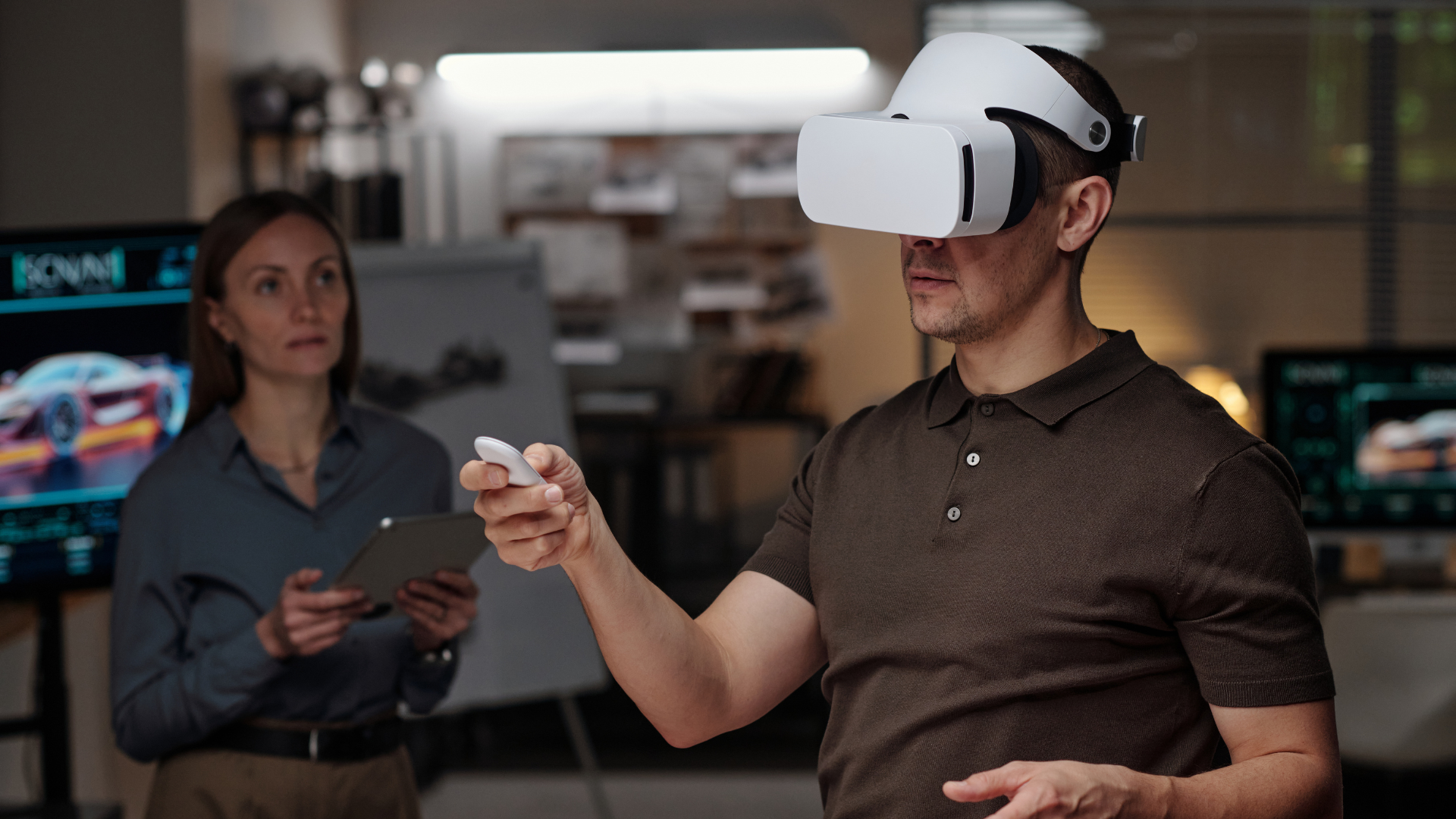
This makes it easier to evaluate layout decisions. You can visualize stage placement, booth layouts, and attendee flow in a single view. Teams can review the same layout together, which helps align decisions across event marketing, operations, and production.
It also supports faster decision-making. Changes to layouts or setups can be reviewed and adjusted without waiting for another site visit.
Venue selection can be narrowed down earlier based on virtual reviews. And teams can identify spacing issues or flow challenges before setup begins, which reduces last-minute changes on site.
AR wayfinding is already being used at large-scale events to improve navigation. CES 2024 offers a clear example of how this works in practice.
At the Las Vegas Convention Center, Google created an AR wayfinding experience for its booth using Geospatial Creator. An Android Bot acted as a digital guide, helping attendees navigate the booth, find key areas, and access directions to nearby transport points such as the monorail and shuttle routes.
This was not a passive feature. The experience was activated nearly 9,000 times over four days, which shows strong adoption in a high-traffic environment.
The system was built using ARCore and Google Maps data, which reflects how existing tools can support this type of experience without custom infrastructure.
This shows how digital guidance can reduce reliance on signage, improve movement across spaces, and provide clearer direction at scale.
Smart event infrastructure is changing how you manage operations and reduce waste across your events.
This includes RFID and NFC badges that enable contactless check-in and data capture. These badges allow attendees to share information, access sessions, and move through the venue without printed materials. They also give you a clearer view of attendance and movement patterns.
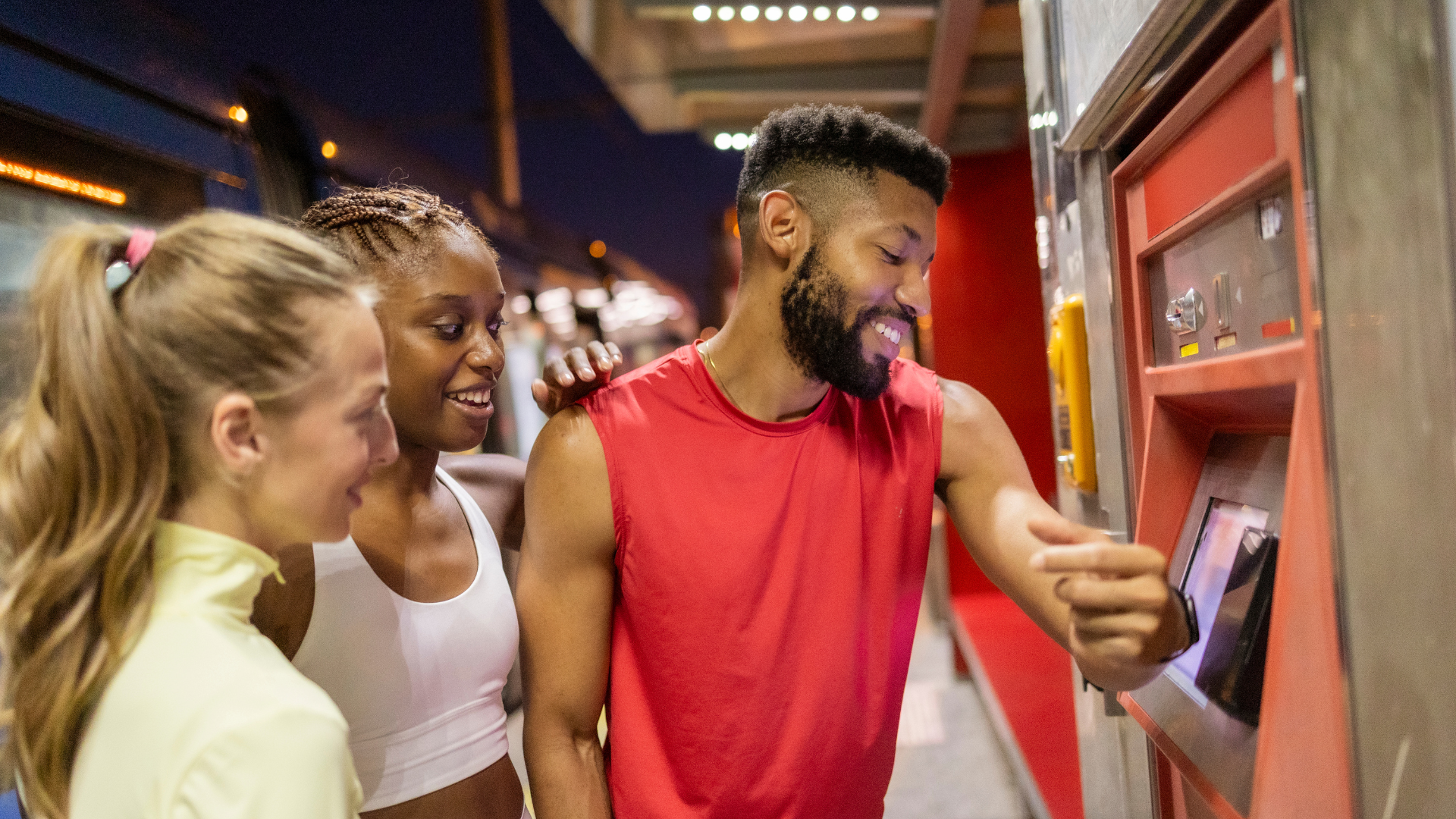
Digital event ticketing replaces paper-based registration and entry systems. Attendees can access tickets on their devices, reducing printing and simplifying entry management.
App-based communication brings updates, schedules, and announcements into one place. This reduces the need for printed agendas, signage, and manual coordination during the event.
Together, these tools reduce material use while improving visibility into how your event operates.
Sustainability is no longer separate from how events are planned. It connects directly to cost control and how your event is perceived.
A few factors are driving this shift:
This shift drives planning decisions. Over time, these choices cut costs and shape your event's impact.
Waste adds up faster than it seems at large events. A typical conference attendee produces around 1.89 kilograms of waste per day, with more than 1.16 kilograms going to landfill. At a three-day event with 1,000 attendees, which can reach over 5,600 kilograms of discarded material.
This is where paperless approaches start to show a clear impact. When tickets, agendas, and communication move into digital formats, the volume of printed materials drops across the event.
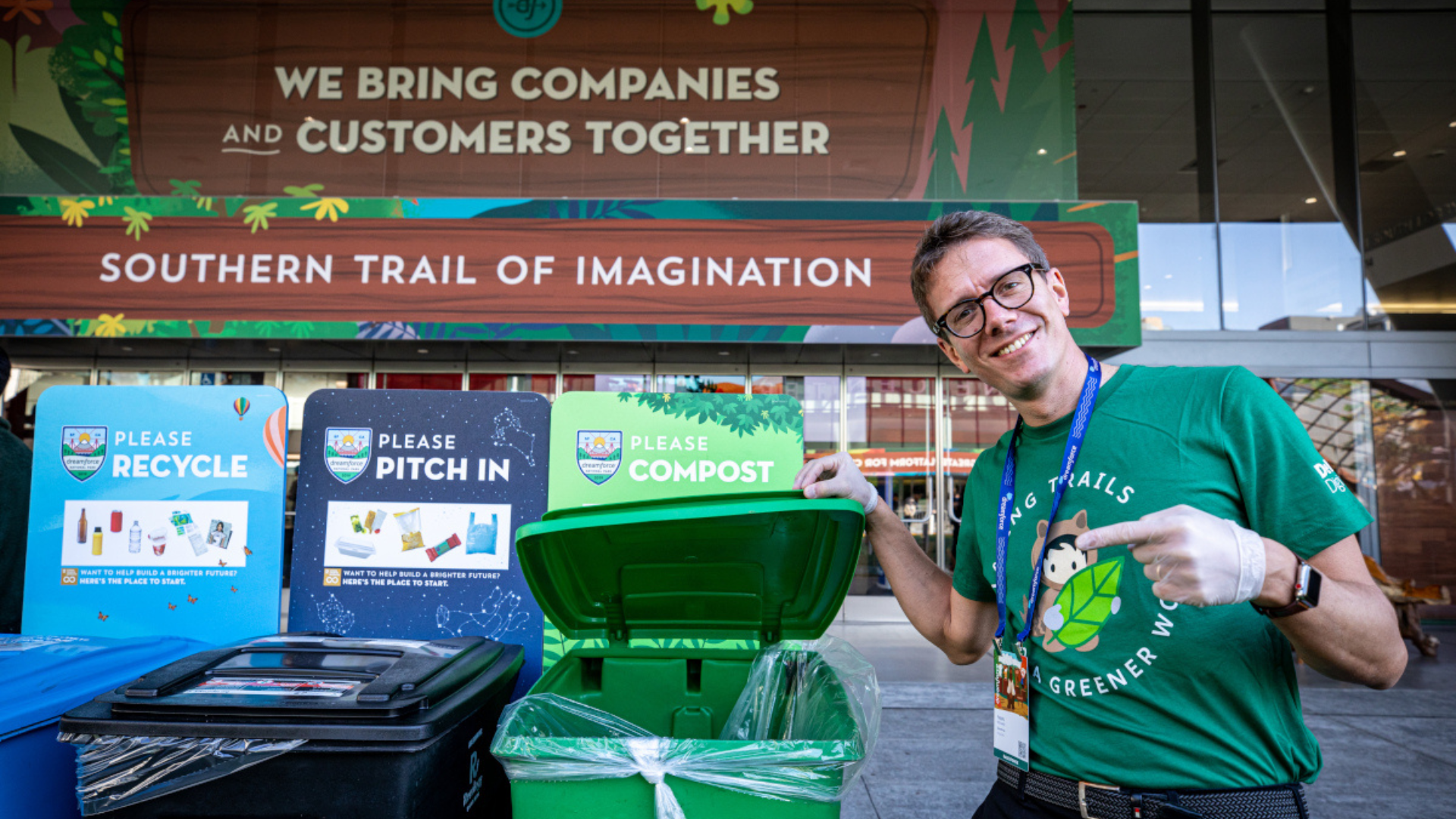
Large events have already started to move in this direction. Salesforce Dreamforce introduced badge and lanyard recycling points across the venue and shifted meal packaging toward 100% compostable options. Attendees were also given the option to offset travel-related emissions.
These changes reflect how waste reduction is becoming part of everyday event operations.
These technology trends give you a clear view of every stage of your event before and while it happens.
It’s simply not enough to measure attendance with all this technology at your fingertips. The real value happens during the event and how those connections last after it ends. This is where the idea of return on relationships (ROR) becomes the primary metric. It measures how effectively your event brings the right people together to build partnerships or find new opportunities.
Technology is the bridge that makes this possible.
Personalization directs attendees to the right sessions while digital tools capture the data that proves a connection was made. If your attendees leave without making a meaningful contact the experience feels empty regardless of the turnout.
Platforms like Eventcube bring all these moving parts together in one place. From personalized ticketing and registration to real time analytics you can manage every interaction to ensure your event delivers a measurable outcome.
Thanks for reading! We’ll see you in the next one. Make sure to subscribe to our monthly newsletter the Event Dispatch, for all the most important industry news delivered to your inbox.