We empower event organizers around the globe, from destination festivals, major sporting and music events to club nights, local fairs, charity fundraisers and private galleries.
Start an event, members’ hub or virtual event for your community and discover how Eventcube can transform your business.
Get Started
This guide helps you solve that by breaking networking into two parts that work together: The event format you choose and the activities you use to spark interaction. When you match these elements well, you create an experience that feels natural and makes it easier for people to connect.
You’ll find practical, proven ideas you can use to build events that feel natural, open, and easy for people to join. Whether you’re planning a small meetup or a large professional gathering, you’ll get clear ways to increase engagement and help your attendees build relationships that last.
Networking events are gatherings that bring professionals together to share ideas, meet potential customers, and build business relationships. These events can range from casual mixers and happy hours to more structured formats like roundtable discussions and workshops, all aimed at fostering meaningful connections and valuable interactions in a relaxed environment.
Networking events come in various formats to suit different goals and audiences. Here are some popular types that can help you build valuable connections:
To make your networking event a success, you need the right people in the room. Here’s how to get them:
Networking gains real strength when the structure of an event works with the way people interact. Many events focus on attendance but overlook the experience itself. Rooms fill up, yet conversations stay shallow, and people drift without a clear sense of flow. AEE reports that 85% of professionals credit networking for career progress, which shows how much value is in each moment of connection.
A two-part framework helps you shape that experience with intention. The first part sets the strategic foundation through the event format. The second part brings the event to life through the activities that guide people into conversation.
Both parts influence comfort, pace, engagement, and the overall quality of each interaction. When they fit together, the event feels structured yet open, and people connect with ease.
Event formats act as the backbone of any networking experience. The format determines how people enter the space, move through it, and understand the purpose of the event. A strong format creates clarity by giving the group a shared context. This context shapes the tone and sets expectations for how people meet and talk.
Each format also supports a different style of interaction, from rapid introductions to focused discussions. When you choose a clear format, you give people the structure they need to form meaningful connections without guesswork.
Networking activities add the interaction layer that keeps people engaged. These activities serve as conversation prompts that reduce pressure and make it easier for attendees to approach one another. The right activity also balances participation and gives quieter voices a natural way to join the group.
Activities shape the rhythm of the event by creating movement, shared experiences, and natural openings for new conversations. This leads to stronger engagement and a higher chance of useful relationships forming across the room.
Successful networking events create meaningful opportunities for connection, collaboration, and growth. Whether you're planning a professional mixer, an industry-specific meet-up, or a virtual hangout, the right approach can turn casual conversations into lasting relationships. To help you make the most of your next gathering, we’ve compiled 20 effective networking event ideas that are designed to engage your audience, spark dialogue, and leave a lasting impression.
Here’s a breakdown of the top networking ideas to help you plan a standout event.
Event formats create the container for your entire networking experience. The structure you choose shapes how people enter the room, how they move through it, and how they start each conversation.
This choice matters because format influences comfort and engagement from the start. When you pick a format before layering in any activities, you give your attendees a clear setting where connections form with ease.
Casual mixers create an open setting where people meet at their own pace. The format keeps the structure light, which helps you move through the room without pressure. This relaxed environment supports natural introductions and steady conversation flow.
These mixers often lead to broad relationship building and give you a wide view of the people in the room. Each conversation grows on its own, which helps you form contacts that develop over time.
Speed networking sessions create a structured flow where you move through short, time-limited conversations. The format keeps the pace steady and gives each attendee an equal chance to meet many new people. It's perfect for large groups, as it maximizes interaction time and keeps the energy high.
Workshops double as networking and educational opportunities. Attendees not only learn new skills but also bond over shared learning experiences.
The format brings people together around a shared topic, which sets a clear purpose from the start. It encourages steady interaction because everyone follows the same flow of instruction and discussion. Workshops support stronger networking outcomes because you meet people who care about the same skills and challenges.

Roundtable discussions create a focused setting where small groups focus on shared challenges and opportunities within a specific field. The format keeps the group size tight, which helps you take part in balanced conversations without feeling rushed.
This structure works well for networking because everyone comes with a clear reason to participate and contribute. These discussions support deep networking outcomes. The shared interests often lead to meaningful follow-up conversations and long-term professional ties.
Luncheons or breakfast meetups create a calm setting where you connect over a shared meal. The natural flow allows people to gather at the same time and settle into steady conversation.
This structure works well for networking since the environment feels open and the pace stays relaxed. You have room to speak with a smaller group and build clearer connections without the noise of a large event.
Conferences and summits bring large groups together around shared interests and industry goals. The format gives you a full day of sessions, open spaces, and moments where people naturally gather. The pace stays steady and gives you many chances to hold short conversations that can grow throughout the day.
They support broad relationship building and help you connect with people who stay engaged across multiple touchpoints. You can add even more value to these moments with simple virtual swag ideas that keep attendees involved after the event.
Happy hour gatherings create a relaxed setting where you meet people in a comfortable social environment. It brings attendees together at the end of the day, which helps the group settle into easy conversations without pressure. Happy hour gatherings support broad relationship building and help you form connections that grow through simple conversations.
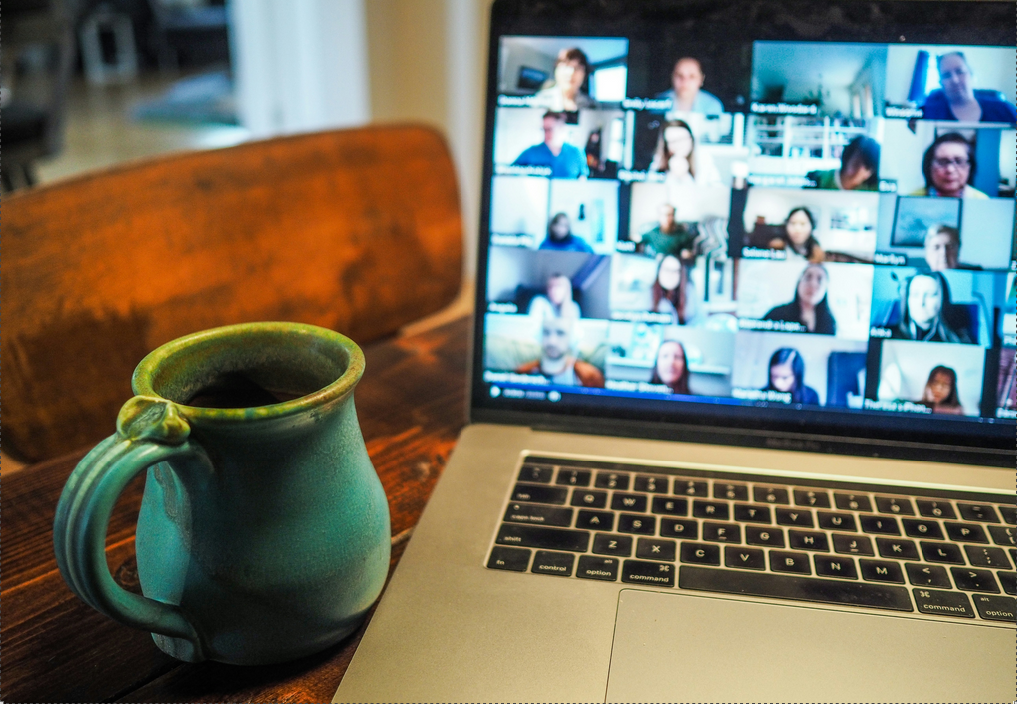
Virtual networking rooms create a structured online space where you meet people through focused group conversations. These smaller breakout areas keep each discussion tight and easy to follow.
This setting removes the noise of large virtual networking events and guides you toward clearer interactions. You meet attendees who join with the same intent, which helps each conversation gain depth in a short time.
Live demo stations allow businesses and individuals to showcase their products or skills in an interactive setting. Each station places you right next to the people behind the work, which sets the stage for open and direct conversations.
This makes it easy to meet attendees who share your interests, since the groups form around specific topics. You move through the space at your own pace and gain multiple chances to speak with the same people as you revisit stations.
Outdoor team building events create a setting where you spend time with other attendees in an open and active environment. You meet people while moving through activities, walking between areas, or taking part in simple group tasks. The change of space often helps people feel more at ease, which supports smoother introductions and longer conversations.
Networking activities bring your event format to life and shape the way people talk once they arrive. The format sets the tone and flow, but the activities create the moments where real interaction takes place.
These elements help you guide the group into steady conversations and keep the experience moving at a comfortable pace. When you choose your activities after setting your format, you create a clear path for people to meet, speak, and form relationships that last.
Hosting a trivia night centered around industry-related questions or general knowledge is an excellent way to break the ice. It combines competition with camaraderie, allowing event attendees to showcase their expertise while fostering team spirit.
You learn small details about each person through teamwork and light discussion, which opens the door to longer conversations later in the event.

Speed brainstorming sessions are a twist on traditional networking. Participants rotate through different stations to tackle challenges or discuss hot topics, leading to rapid idea generation and meaningful connections. It’s perfect for energizing groups and inspiring new collaborations in real time.
Interactive panels with real-time audience Q&A or live polling make for a dynamic networking environment. This setup not only provides valuable insights from industry experts but also encourages attendees to engage actively. It gives you a shared experience with the group and opens space for follow-up conversations once the panel ends.
Silent discos are unique networking experiences where attendees wear headphones tuned to different music channels. It creates a calm sound environment that still feels lively, which helps you hold short conversations without shouting over a crowd.
The shared soundtrack gives everyone an easy starting point for conversation. Silent disco networking creates a relaxed atmosphere where you meet new people in a space that feels open, friendly, and fun to explore.
Try hosting a cooking class where everyone gets to whip up something delicious together. You chop, mix, or shake drinks side by side, which creates plenty of natural openings for conversation. The focus stays on the activity, so the pressure to start talking feels lower. It’s a fun and relaxed way to break the ice, with plenty of opportunities to chat and laugh.
Starting your event with icebreaker games helps attendees relax and start conversations with ease. You move through short prompts or light tasks that help the group warm up without stress.
Simple activities like "Two Truths and a Lie" or "Personality Quiz" can warm up the room. Icebreaker game sessions support stronger interaction because they lower the initial barrier and help you feel more comfortable joining conversations.
Organize a day of community service or charity work as a networking event. Activities like building homes, cleaning parks, or running a charity drive align attendees with a common purpose. It helps people connect because everyone works toward the same goal, and that shared effort encourages natural conversation.

Wine tasting events combine a relaxed atmosphere with structured interactions. By guiding attendees through a tasting session, you provide natural conversation starters that make it easy for people to connect. It’s a great idea for an evening event where attendees can unwind and network organically.
Group challenges and scavenger hunts give you an active setting where people team up to solve simple tasks. You move with a small group, share quick ideas, and help each other reach the next clue.
These activities push people to collaborate quickly, often breaking down barriers faster than traditional networking formats. It’s an effective way to turn strangers into teammates working towards a common goal.
Online team games create a lively virtual setting where you join others in simple group tasks. The shared activity gives everyone an easy starting point, which helps conversations open up without pressure. This works well for remote events where people want a light way to meet new contacts. It offers a relaxed space where you connect through play and build rapport as the rounds move forward.
The event comes together when you move from ideas to execution. This playbook brings every strategic step into one place so you can guide the experience from planning an event through follow-up. It gathers the core elements that shape the flow of your event and helps you guide each moment with a sense of purpose.
Your event takes shape once you understand its purpose. The goal sets the direction for the type of conversations you want people to have. The format follows that goal and gives the event its structure. Workshops, mixers, roundtables, or larger gatherings each create a different environment, and the right choice sets the tone and expectations for everyone attending.
A balanced mix of attendees helps the event feel open and engaging. You shape this through clear messaging that describes who the event is for and what people can expect.
Registration details, short previews, and simple updates help your intended audience see the value of joining. This early clarity supports stronger interactions once the event begins.
Activities bring movement into the event and help people ease into new conversations. Trivia rounds or small collaborative tasks give attendees shared moments that break the ice, much like the simple group activities you might use when building a social club. These touchpoints help the room settle and make it easier for people to speak with someone new.
The physical space shapes how people gather and talk. Open layouts support steady flow between groups, while smaller corners give space for deeper conversations. Food stations, tasting tables, or simple seating clusters create natural points where people come together. A clear layout helps everyone understand where to go and how to move through the event.
Light game elements add energy to the room. Simple point boards, shared challenges, or group goals help people stay engaged without feeling forced into activity. These touches keep the event lively and give attendees small wins that help conversations grow.
Social platforms extend the life of your event. Early previews help spark interest, while short updates during the event give people a sense of the atmosphere. After the event, a recap or shared highlights helps attendees reconnect with those they met.
The event experience continues after people head home. A simple follow-up message or shared resource helps attendees reconnect with the conversations they started. This step ties the event together and lays the groundwork for future gatherings.
Innovative networking event ideas can turn a standard gathering into a memorable experience that fosters strong connections. By moving beyond traditional formats and incorporating unique activities, gamification, and social media, you can create an engaging environment that encourages meaningful interactions.
Focus on adding value, keeping the atmosphere relaxed, and promoting genuine engagement. With the right approach and a bit of creativity, your events can help attendees achieve their professional goals, build lasting relationships, and maybe even spark the next big corporate partnership.
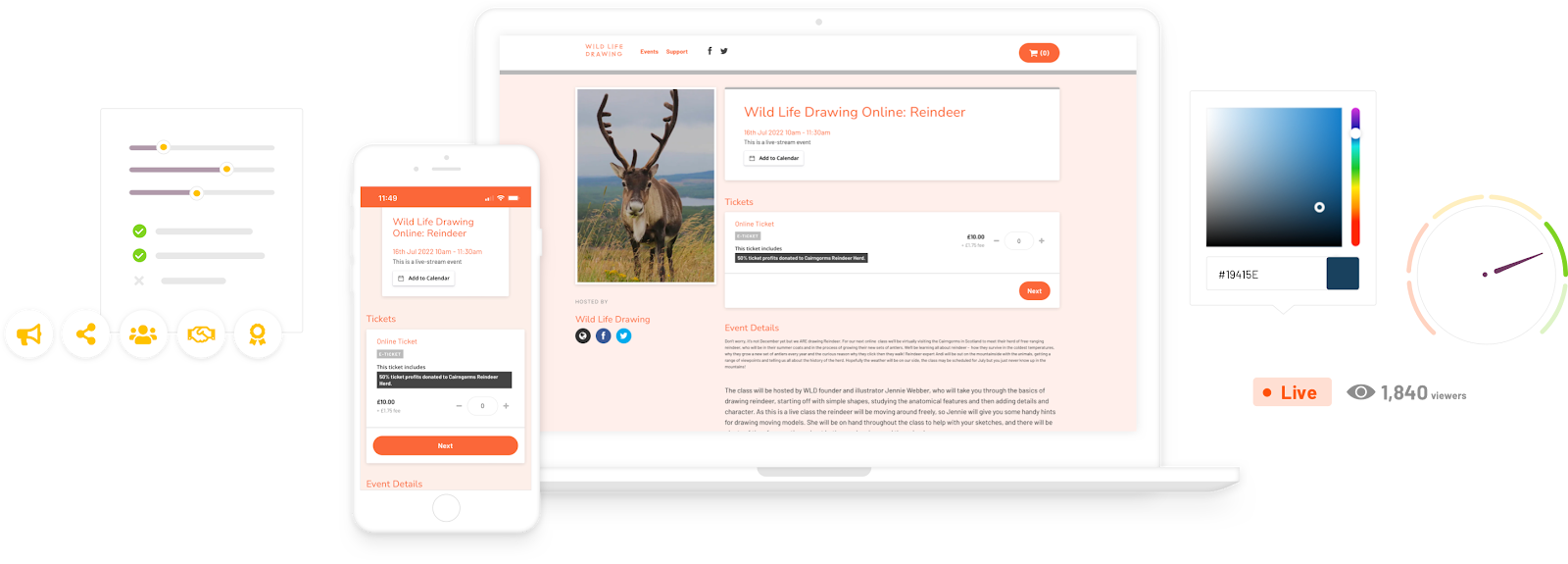
Great networking ideas work best when the platform behind them feels smooth and easy to use. Eventcube helps you bring your event format to life with simple tools for ticketing, registration, and custom event pages that guide people through the experience. You also get features that support the activities inside your event, from virtual rooms to light engagement tools that help conversations flow.
Everything stays in one place, so your format holds steady and your activities feel natural for your attendees. Eventcube gives you a flexible setup for in-person, virtual, and hybrid events, and offers an environment you can shape to match your brand. It becomes a helpful partner when you want your next event to feel organized, welcoming, and built for connection.
Unique ideas often blend social elements with light structure, such as silent disco networking, cooking sessions, group challenges, or live demo stations. These formats give people something to do together, which creates easy openings for conversation. The experience stays memorable because the activity guides the interaction.
A networking event gives you space to meet new people, share ideas, and learn from others in your field. You move through conversations at your own pace and take part in simple activities that help you connect. Each moment offers a chance to build relationships that may grow after the event.
You can make a networking event more fun by adding light activities that help people relax and talk with ease. Simple games, tastings, or themed elements give attendees shared moments that feel natural and enjoyable. These touches help the room open up and reduce the pressure to start conversations.
Large audiences work well in formats that offer space for movement and variety. Conferences, summits, and trade show-style layouts help people connect across multiple touchpoints throughout the day. These formats support both wide exposure and smaller breakout conversations.
Activities give people a reason to start talking and help the room feel more comfortable. Shared tasks or prompts create natural openings for connection, which can be hard to find in open mingle settings. This approach supports stronger engagement and helps conversations grow.